
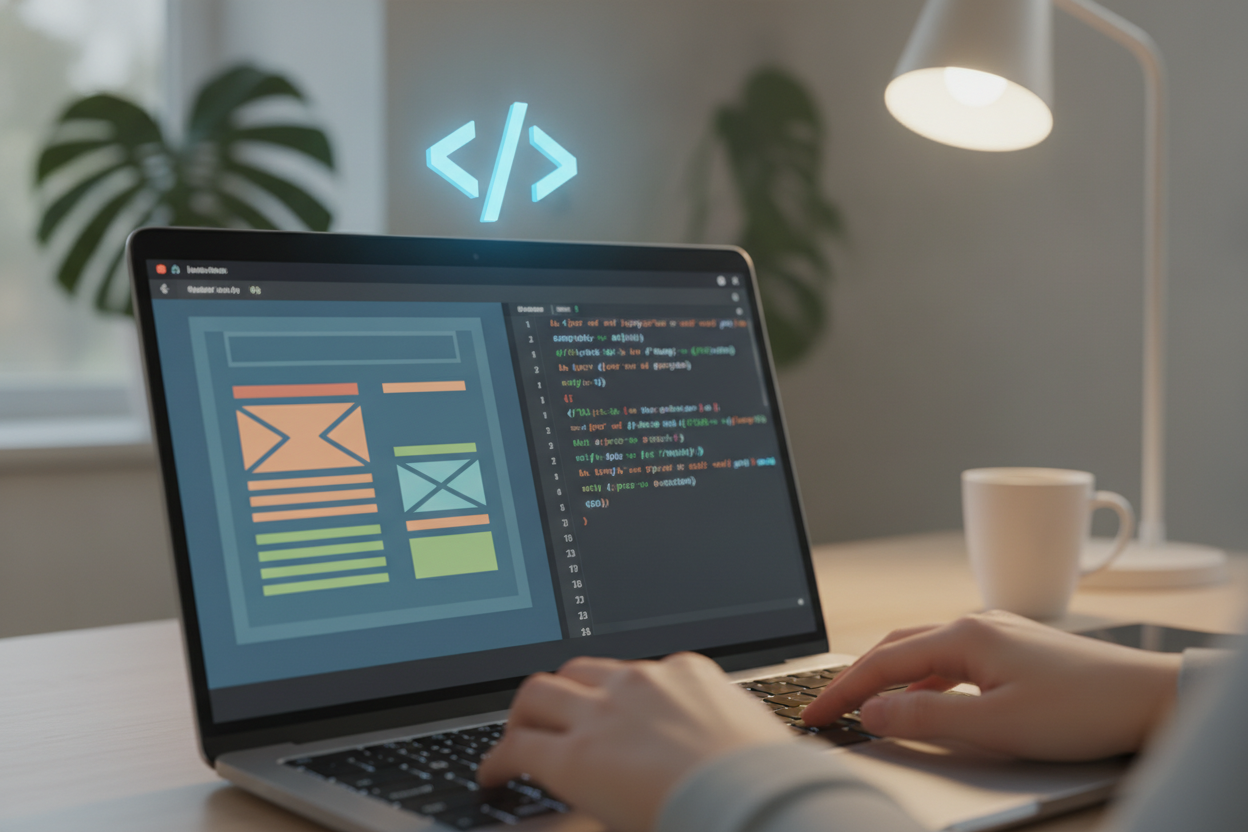
HTML is the starting point for almost every website, and learning it gives you immediate control over how pages are structured. The language is made of elements, and each element has a purpose. Some tags create paragraphs, others define headings, links, images, or sections. Once you understand that structure, the rest of web development becomes much easier to follow.
A helpful way to begin is by building a simple page from scratch. Start with the document type, then add the main page elements, and finally place your content inside the body. This habit teaches you how browsers read your code. It also helps you spot mistakes early, which is important when you are learning. Even a small typo can change how a page behaves.
HTML also works best when it is readable. Use clear element nesting, meaningful text, and thoughtful organization. Search engines and accessibility tools both benefit from clean markup, and so do people visiting your site. A page that is easy to scan usually feels more trustworthy and professional.
As you practice, try recreating simple pages you already know, such as a contact page or a blog post layout. Repetition builds confidence, and confidence leads to faster progress. If you can write solid HTML, you have already taken the first major step toward building modern websites.
Leave a Reply